
What Is Blue Light?
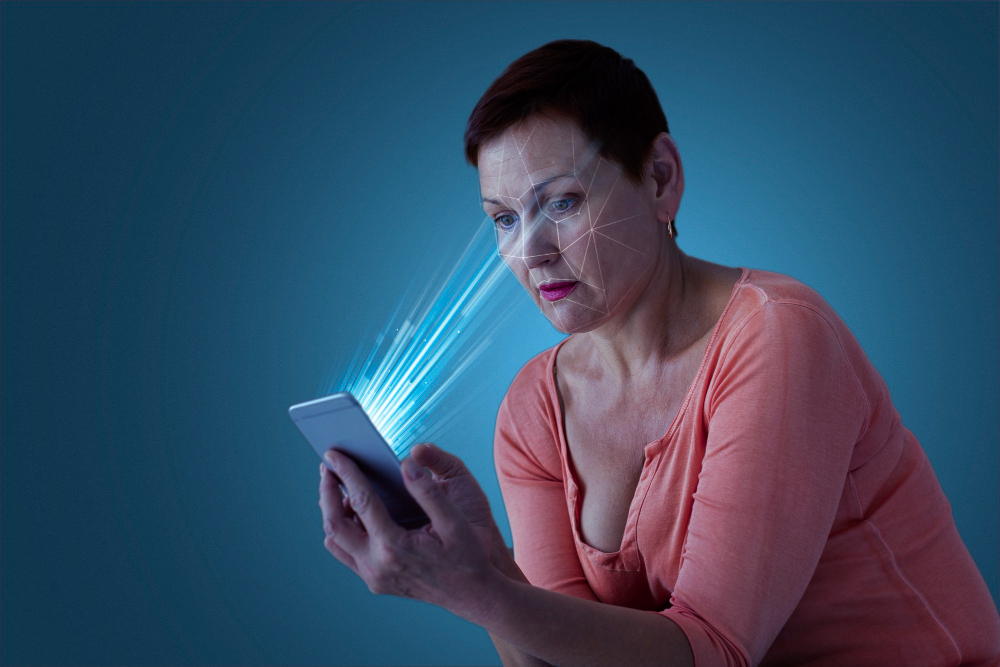
Blue light is a type of light with a short wavelength. It comes from the sun, but also from digital devices. For example, your phone, tablet, and computer all give off blue light. Many people spend hours each day looking at screens. Because of this, blue light exposure is now a daily concern. Studies show that blue light can reach deep into your skin. So, it is important to know how it affects your skin health.
How Does Blue Light Affect Your Skin?
Blue light can harm your skin in several ways. First, it can cause stress in your skin cells. This stress may lead to early signs of ageing. Also, blue light can break down collagen, which keeps your skin firm. Over time, this can make your skin look older. According to dermatology research, blue light can also cause dark spots and uneven skin tone. Because we use screens so often, the effects of blue light on skin are a growing concern, especially in urban lifestyles.
Signs of Blue Light-Induced Skin Ageing
It is not always easy to spot blue light skin damage. However, some signs can help you notice changes. For example, you may see:Fine lines or wrinkles appearing earlier than expectedDark spots or patches, especially on the faceDry or rough skin textureLoss of skin firmnessUneven skin tone
Because these signs can also come from other causes, it is important to watch for changes after increased screen time.
Diagnosis: How to Tell If Blue Light Is Affecting Your Skin
Doctors do not have a special test just for blue light skin damage. However, they can look at your skin and ask about your habits. For example, they may ask how much time you spend on digital devices. They may also check for signs like new dark spots or early wrinkles. If you notice changes after more screen time, it could be linked to blue light. Still, only a dermatologist can give you a clear answer.
Prevention and Protection Tips
While you cannot avoid blue light completely, you can protect your skin. Here are some simple tips:Use sunscreen with blue light protection every dayApply antioxidant-rich creams, like those with vitamin C or EChoose skincare products labeled “blue light protection”Lower your screen brightness when possibleTake breaks from screens every 20 minutesUse a blue light filter on your devices
Because these steps are easy to follow, you can start protecting your skin right away.
Lifestyle Changes to Reduce Blue Light Exposure
Making small changes in your daily routine can help lower your risk. For example:Limit screen time, especially before bedKeep your devices at least an arm’s length from your faceSpend more time outdoors in natural lightSet “screen-free” times during your dayEncourage children to take regular breaks from devices
Because these habits are easy to build, you can protect your skin and improve your overall health.
Treatment Options for Blue Light Skin Damage
If you already see signs of blue light skin damage, do not worry. There are treatments that can help. For example, dermatologists may suggest:Topical creams with antioxidants or retinoidsProfessional treatments like chemical peels or laser therapyHydrating skincare to repair dry or rough skin
Because each person’s skin is different, it is best to talk to a dermatologist. They can help you choose the right treatment for your needs.
In summary, blue light and your skin are closely linked, especially with more screen time in our lives. By taking simple steps, you can protect your face from digital devices skin damage. Consult a dermatologist for personalized advice on protecting your skin from blue light.