
Introduction
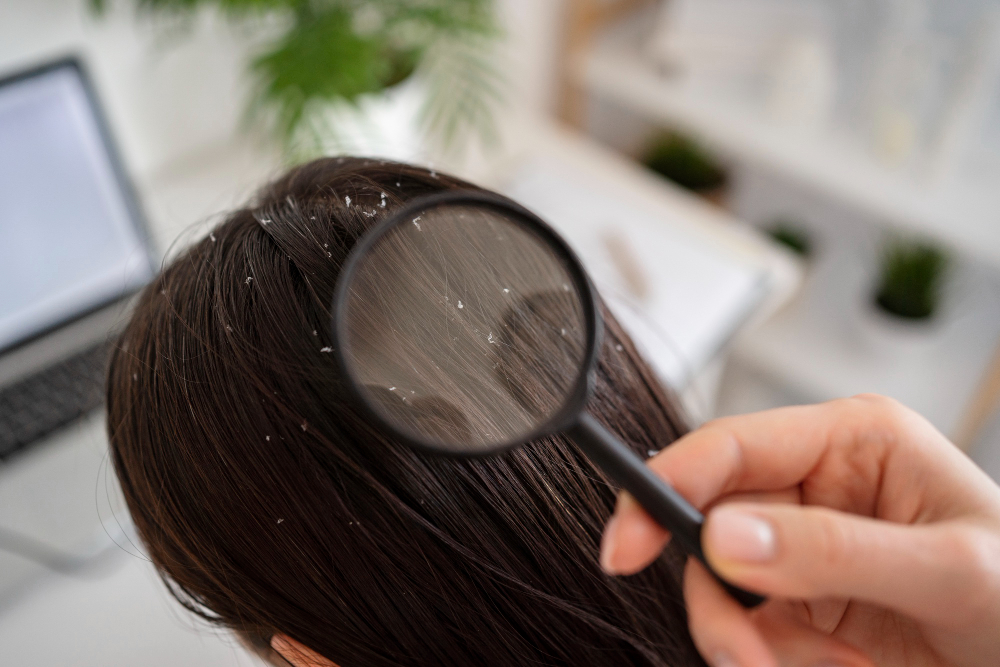
Many people face scalp problems at some point in their lives. These issues can include dandruff, flakes, redness, and itching. Although scalp problems are common, they can affect your comfort and confidence. For some, these issues may even lead to hair loss or infections if left untreated. Because scalp health is important for your overall well-being, it is helpful to know what to watch for and how to care for your scalp.
Common Scalp Problems
Scalp problems come in many forms. Some are mild, while others need medical care. Below are some of the most common scalp issues:Dandruff: This causes white or yellow flakes on your scalp and hair. It may also cause itching.Flaky Scalp: Dry skin or product buildup can lead to visible flakes.Redness: Sometimes, the scalp becomes red due to irritation or infection.Itching: Many scalp problems cause itching, which can be mild or severe.Scalp Psoriasis: This is a skin condition that causes thick, scaly patches.Scalp Ringworm: This is a fungal infection that can cause hair loss and round patches.Seborrheic Dermatitis: This causes greasy, yellowish scales and redness.
Each of these scalp problems can affect your daily life. However, most can be managed with the right care.
Symptoms to Watch For
It is important to notice changes on your scalp early. Some symptoms may be mild, but others can signal a bigger problem. Watch for these signs:Persistent flakes or dandruffRed or swollen areasItching that does not go awayPain or tendernessOozing or crusting spotsHair loss in patchesBurning or stinging feelings
If you notice any of these symptoms, it may be time to take action. Early care can prevent more serious scalp problems.
Causes and Risk Factors
Scalp problems can have many causes. Some are due to skin conditions, while others are linked to lifestyle or environment. Here are some common causes and risk factors:Dry skin: Cold weather or harsh shampoos can dry out your scalp.Oily skin: Excess oil can lead to dandruff or seborrheic dermatitis.Fungal infections: These can cause ringworm or other scalp issues.Allergies: Some hair products may irritate your scalp.Poor hygiene: Not washing your hair often enough can cause buildup.Stress: High stress can make scalp problems worse.Medical conditions: Skin diseases like psoriasis or eczema can affect the scalp.Climate: Humid or very dry weather can trigger scalp issues.
Knowing these causes can help you prevent or manage scalp problems more easily.
Diagnosis and When to See a Doctor
Sometimes, scalp problems go away with simple care. However, you should see a doctor if:Your symptoms last more than two weeksYou have pain, swelling, or pusYou notice hair loss in patchesHome treatments do not helpYou have a fever or feel very unwell
Doctors may examine your scalp and ask about your symptoms. In some cases, they may take a small sample of skin or hair for testing. This helps them find the exact cause and suggest the best treatment. According to the American Academy of Dermatology, early diagnosis can prevent long-term problems.
Treatment Options
Treating scalp problems depends on the cause. Many mild issues can be managed at home, but some need medical care. Here are some common treatments:
Medical Treatments
Medicated shampoos for dandruff or fungal infectionsTopical creams or ointments for redness and itchingOral medicines for severe infections or skin diseasesLight therapy for scalp psoriasis
Home Care Tips
Wash your hair regularly with a gentle shampooAvoid harsh chemicals or hair productsUse lukewarm water instead of hot waterKeep your scalp clean and dryTry not to scratch, as this can make things worse
For best results, follow your doctor’s advice and use products as directed. If you live in a humid or polluted area, you may need to wash your hair more often to prevent buildup.
Prevention and Scalp Care Tips
Taking care of your scalp can help prevent many problems. Try these scalp health tips:Choose mild, fragrance-free shampoosRinse your hair well to remove all shampoo and conditionerLimit the use of hair sprays, gels, and dyesProtect your scalp from sunburn by wearing a hat outdoorsEat a balanced diet rich in vitamins and mineralsManage stress with exercise or relaxation techniquesStay hydrated by drinking enough water
By following these steps, you can keep your scalp healthy and reduce the risk of dandruff, flakes, and redness.
Frequently Asked Questions (FAQ)
What causes dandruff? Dandruff is often caused by dry skin, oily skin, or a yeast called Malassezia. It can also be triggered by stress or certain hair products.How can I treat a flaky scalp at home? Use a gentle shampoo, avoid scratching, and keep your scalp clean. If flakes do not improve, see a doctor.Is scalp redness serious? Sometimes, redness is mild and goes away. However, if it lasts or comes with pain, see a healthcare provider.Can scalp problems cause hair loss? Yes, some scalp issues like ringworm or severe dandruff can lead to hair loss if untreated.When should I see a doctor? If your symptoms last more than two weeks, get worse, or cause pain, consult a doctor.
Conclusion
Scalp problems like dandruff, flakes, and redness are common but manageable. With good scalp care and early treatment, you can keep your scalp healthy. If you have ongoing symptoms or concerns, consult a dermatologist or healthcare professional for personalized advice. Your scalp health matters, so do not wait to seek help if you need it.