
Introduction
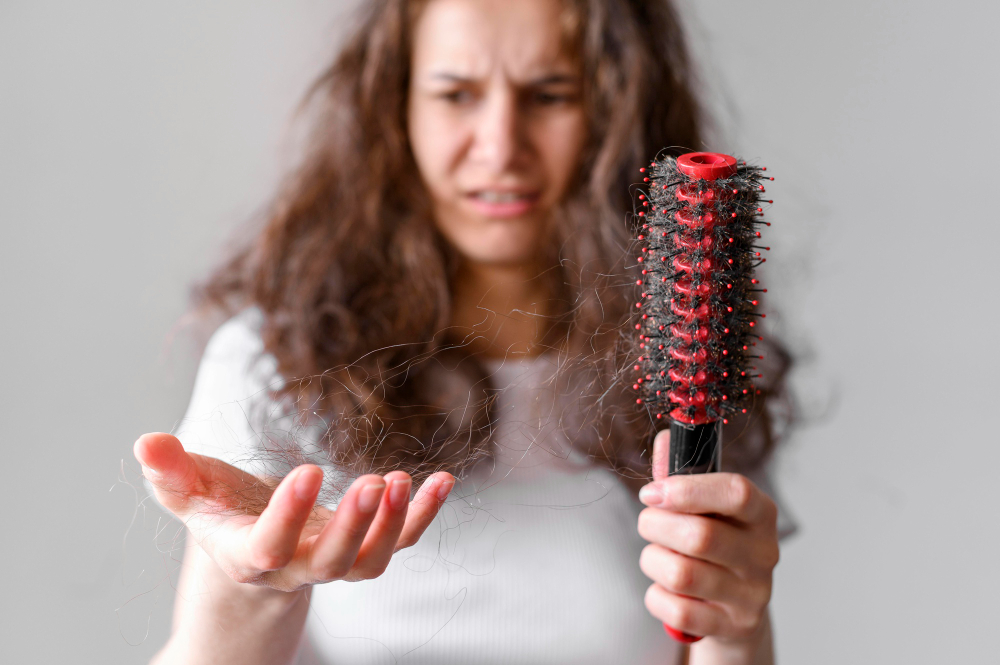
Many people worry about hair falling out. But is it hair shedding or hair loss? Understanding the difference between hair shedding vs. hair loss is important. This knowledge helps you find the right solution. In this blog, you will learn how to tell hair shedding from hair loss, what causes each, and how to treat and prevent them.
What is Hair Shedding?
Hair shedding is a normal part of the hair growth cycle. Every day, you may lose 50 to 100 hairs. This is natural and usually nothing to worry about. For example, you might notice more hair in your brush or shower drain. However, if you see much more than usual, it may be a sign of excessive hair shedding. Often, stress, illness, or changes in hormones can cause this.
What is Hair Loss?
Hair loss means hair stops growing back after it falls out. Unlike normal shedding, hair loss can lead to thinning or bald spots. Sometimes, hair loss is permanent. Other times, it can be treated. Hair loss can affect both men and women. It may happen slowly or suddenly. If you notice patches or a receding hairline, it could be hair loss.
Key Differences Between Hair Shedding and Hair Loss
Hair shedding is temporary and part of the normal cycle.Hair loss is when hair does not grow back, causing thinning or bald spots.Shedding often stops on its own, but hair loss may need treatment.With shedding, new hair replaces lost hair. With hair loss, new hair does not grow.
Common Causes
There are many reasons for both hair shedding and hair loss. Knowing the cause helps you choose the right treatment. Here are some common causes:Stress: Physical or emotional stress can trigger hair shedding.Hormonal changes: Pregnancy, menopause, or thyroid problems can affect hair.Medications: Some drugs, like those for cancer or depression, may cause hair to fall out.Poor diet: Lack of protein, iron, or vitamins can lead to hair problems.Genetics: Family history often plays a role in hair loss.Medical conditions: Diseases like alopecia areata or scalp infections can cause hair loss.
How to Diagnose the Condition
It is important to know if you have hair shedding or hair loss. First, look for patterns. For example, is your hair thinning all over or in patches? Next, check if new hair is growing. If not, it may be hair loss. A doctor or dermatologist can help. They may ask about your health, diet, and family history. Sometimes, they will do a pull test or blood test. According to the American Academy of Dermatology, these steps help find the cause and best treatment.
Effective Treatments and Solutions
There are many ways to treat hair shedding and hair loss. The right solution depends on the cause. Here are some options:Healthy diet: Eat foods rich in protein, iron, and vitamins.Stress management: Try yoga, meditation, or exercise to reduce stress.Medications: Some medicines, like minoxidil, can help regrow hair.Medical treatments: In some cases, doctors may suggest laser therapy or hair transplants.Change hair care habits: Avoid harsh chemicals and heat styling.
Always talk to a healthcare provider before starting any treatment.
Prevention Tips and Lifestyle Guidance
While not all hair loss can be prevented, you can lower your risk. Here are some tips:Eat a balanced diet with plenty of nutrients.Handle your hair gently. Use a wide-tooth comb.Limit the use of heat tools and harsh chemicals.Manage stress with regular exercise and relaxation.Protect your scalp from sun damage by wearing a hat.
When to See a Specialist
If you notice sudden or patchy hair loss, see a doctor right away. Also, if your hair does not grow back after shedding, it is time to seek help. Sometimes, hair loss is a sign of a health problem. A certified dermatologist or cosmetologist can give you a proper diagnosis and treatment plan.
For the best advice on hair health, consult a certified cosmetologist or dermatologist. They can help you find the right solution for your needs.