
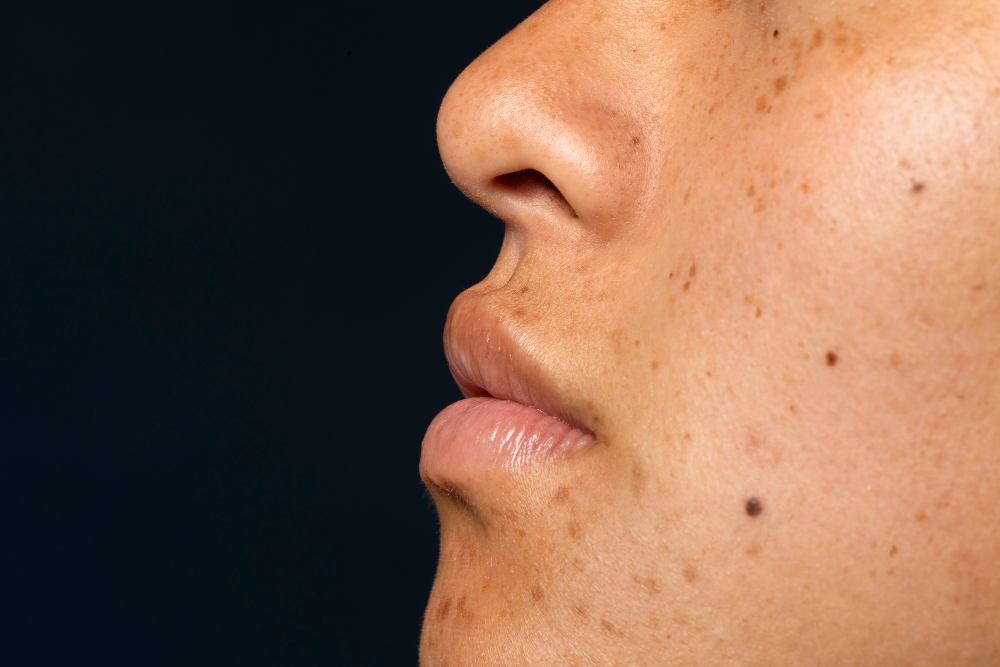
What is Skin Pigmentation?
Skin pigmentation refers to the color of your skin. The color comes from a pigment called melanin. Everyone has melanin, but the amount and type can vary. Because of this, people have different skin tones. Sometimes, skin pigmentation can change. For example, you may notice dark or light patches. These changes can happen for many reasons. Understanding skin pigmentation helps you care for your skin better.
Common Symptoms of Skin Pigmentation
Skin pigmentation changes can look different for each person. However, some common symptoms include:Dark spots or patches (hyperpigmentation)Light spots or patches (hypopigmentation)Uneven skin toneFreckles or sun spotsRed or brown marks after a skin injury
Sometimes, these changes are small. But in other cases, they may cover larger areas. If you notice new or changing spots, it is important to pay attention.
Causes of Skin Pigmentation
There are many skin pigmentation causes. Some are common, while others are rare. Here are some main reasons:Sun exposure: Too much sunlight can increase melanin, causing dark spots.Hormonal changes: Pregnancy or birth control pills can lead to melasma, a type of dark patch.Skin injuries: Cuts, burns, or acne can leave marks as they heal.Certain medicines: Some drugs can affect skin color.Medical conditions: Diseases like vitiligo or Addison’s disease can change skin color.Genetics: Family history can play a role.
Because there are many causes, it is helpful to know your risk factors. According to the World Health Organization (WHO), sun exposure is a leading cause worldwide.
How is Skin Pigmentation Diagnosed?
Doctors use several methods for skin pigmentation diagnosis. First, they look at your skin and ask about your health history. Next, they may use special lights to see changes in your skin. Sometimes, a small skin sample (biopsy) is needed. Blood tests may also help rule out other health problems. Early diagnosis helps find the best treatment for skin pigmentation.
Treatment Options for Skin Pigmentation
Treatment for skin pigmentation depends on the cause and type. Some common options include:Topical creams: These may lighten dark spots or even out skin tone.Laser therapy: Doctors use light to target and reduce spots.Chemical peels: These remove the top layer of skin, helping new skin grow.Microdermabrasion: This treatment gently removes dead skin cells.Medicines: Some pills can help if hormones are the cause.
However, not all treatments work for everyone. It is important to talk to a dermatologist before starting any treatment. The Centers for Disease Control and Prevention (CDC) suggests using sunscreen daily to protect your skin during and after treatment.
Lifestyle Tips and Prevention
While you may not prevent all skin pigmentation, you can lower your risk. Try these tips:Use sunscreen with SPF 30 or higher every dayWear hats and protective clothing outdoorsAvoid tanning bedsClean and moisturize your skin gentlyEat a balanced diet rich in vitaminsSee a doctor if you notice new or changing spots
In addition, knowing how to prevent skin pigmentation can help you keep your skin healthy. Early action often leads to better results.
When to See a Specialist
Sometimes, skin pigmentation changes need expert care. You should see a dermatologist if:You notice fast changes in skin colorSpots are painful, itchy, or bleedTreatments at home do not helpYou feel worried about your skin’s appearance
Because some skin changes can signal other health problems, it is always best to get a professional opinion.
Consult a dermatologist for personalized advice on skin pigmentation.